

What Every Future College Athlete Needs to Understand
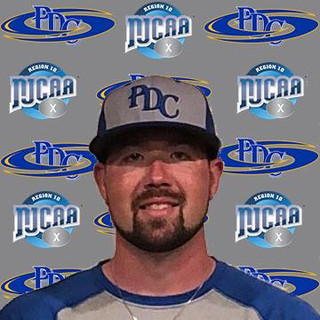
Every year, I ask middle school and high school athletes about their goals, and the answer is almost always the same: “I want to play college baseball,” or “I want to play college softball.” I love hearing those answers because they tell me an athlete is dreaming big. Every coach wants athletes with ambition. But over the years I’ve realized that many young athletes fall in love with the destination long before they understand the journey. They picture themselves wearing a college uniform, competing in front of fans, and living out a dream they’ve had since they were kids. What they don’t always picture is everything that happens before they ever earn the opportunity to wear that uniform.
When most people think about college athletics, they think about game day. They see packed stadiums, ESPN broadcasts, conference championships, and the College World Series. They watch elite athletes competing at an incredibly high level and think, “That’s where I want to be.” What they don’t see are the thousands of hours that happened long before the first pitch. They don’t see the early morning lifts, the individual skill work, the throwing programs, the conditioning sessions, the treatment in the athletic training room, the recovery routines, the film study, the late-night homework after a road trip, or the discipline required to balance athletics with academics. The public sees the performance. The athlete lives the preparation.
That’s why I often tell families that the games are actually the smallest part of being a college athlete. A college baseball or softball player may compete for four or five months out of the year, but they prepare for all twelve. Competition is simply the opportunity to display months of work that nobody else ever witnessed. Being a college athlete isn’t something you do for a few hours after class. It’s a lifestyle that shapes nearly every decision you make. Your practice schedule influences your classes. Your recovery influences tomorrow’s performance. Your nutrition, your sleep, your strength training, and your time management all become part of your job. College coaches aren’t looking for athletes who only know how to compete on game day. They’re looking for athletes who know how to live like competitors every day.
One of the biggest misconceptions I see in youth sports is the belief that simply playing more games leads to playing in college. Games matter. Competition matters. Travel baseball and travel softball can absolutely play an important role in development. But games don’t develop athletes nearly as much as people think they do. Games reveal your current ability. Training is what changes it. An athlete who spends an entire year moving from tournament to tournament without intentionally improving strength, athleticism, movement quality, bat speed, throwing velocity, decision-making, or sport-specific skills is unlikely to close the gap between where they are today and where college athletics demands they be. Playing more games doesn’t automatically make you a better player. Purposeful development does.
The athletes who make a successful transition into college sports rarely flip a switch the day they move into their dorm room. By the time they arrive on campus, many of the habits that make them successful have already been built. They’ve learned how to train when nobody is watching. They’ve learned to balance school with athletics. They’ve developed routines around strength training, recovery, nutrition, and skill development. Those habits become their competitive advantage because they’re no longer things the athlete has to think about, they’re simply part of who they are.
Parents play an enormous role in this process, even if they don’t always realize it. I hear questions all the time about which travel organization to join, which showcases are worth attending, or which camps will provide the best exposure. Those are reasonable questions, but I think there’s a more important one that every family should ask themselves: Does our daily lifestyle match our long-term goal? If a young athlete says they want to play college baseball or softball, does their weekly routine actually reflect that dream? Is there time dedicated to getting stronger? Becoming more athletic? Developing skills outside of team practice? Prioritizing recovery, sleep, and nutrition? Or does everything revolve around finding the next tournament to play? College coaches recruit players, but they also inherit years of habits. Those habits often determine whether an athlete thrives once they get to campus.
The truth is that wanting to play college sports isn’t what separates athletes. Almost everyone wants it. The difference is whether they’re willing to embrace the lifestyle that comes with the goal. College athletics isn’t simply about making a roster or signing a commitment letter. It’s about becoming the kind of person who can handle everything that comes with wearing that uniform. That transformation doesn’t happen overnight. It happens through hundreds of ordinary days when nobody is watching and no one is handing out trophies for showing up.
If you’re a middle school or high school athlete who dreams of competing in college, spend less time imagining game day and more time preparing for the ordinary days that make game day possible. And if you’re a parent, remember that the greatest gift you can give your son or daughter isn’t another tournament, another showcase, or another camp. It’s helping them build the discipline, consistency, resilience, and habits they’ll need to succeed long after youth sports are over. Because the athletes who thrive in college usually aren’t surprised by the workload, they’ve been living that lifestyle long before they ever stepped onto campus.


Comments